

Mid-year review season is around the corner. And if you’re anything like the busy people I know, you might find yourself staring at a self-review form and think: where did the last six months go?
Here’s the uncomfortable truth: if you haven’t been making your work visible all along, it’s going to be really hard to make it visible now. Your manager isn’t going to remember that thing you shipped in February. Your skip-level definitely isn’t. And the peer feedback you’re hoping will carry you? Those coworkers are just as swamped trying to remember their own work.
Back in June, I wrote a post about how to become indispensable in your first 6 months. Tip #5 was “brag about yourself.” But here’s the thing: while most of us are terrible at this, this might be one of the most important things you can do.
We do the work. We ship the thing. We solve the hairy problem no one else wanted to touch. And then we sit quietly and hope someone notices. Maybe our manager will call it out. Maybe a coworker will give us a shout in the team channel. Maybe the work will just…speak for itself?
It won’t.
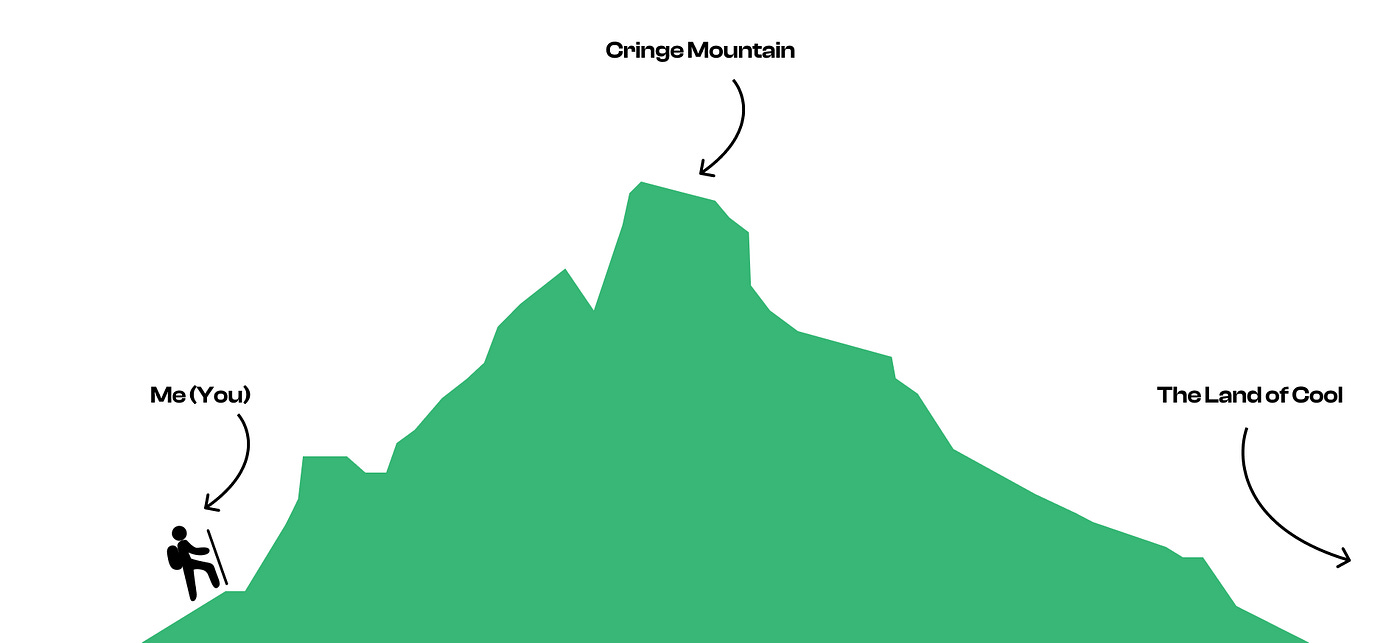
The people who succeed, the ones who get the resources, the promotions, the opportunities, are the ones who make their work known. And before you roll your eyes, hear me out. Because I know what you’re picturing. The person who takes credit in meetings. The one who cc’s leadership on every minor win. The LinkedIn humble-braggers. The people who make you cringe.
That’s not what I’m talking about.
Reframe the whole thing
I’ve been coaching product leaders for a while now, and the number one thing I hear when I bring up self-promotion is some version of: “I don’t want to be that person.”
Neither do I. And you don’t have to be.
Here’s the reframe: self-promotion isn’t about broadcasting. It’s about bringing people along for the journey.
I wrote about this during my own onboarding at Hampton. In Bringing people along for the (onboarding) ride, I shared how I started making my learning visible: weekly diaries, Loom voiceovers, sharing half-baked hypotheses in All Hands. It wasn’t self-promotion in the traditional sense. It was inviting others into my process. But the effect was the same: people knew what I was working on, they could see my thinking develop, and trust built faster because of it.
That’s the version of self-promotion I’m here for.
Why you can’t afford to skip this (especially right now)
If you’re lucky, your coworkers or your manager will recognize your contributions. But you cannot rely on them. Everyone is busy. Everyone is overwhelmed. Your manager has 8 other people on their team and a million things competing for their attention.
It’s not their job to track your impact. It’s yours.
I know that feels uncomfortable. Especially if you’re someone who was raised to believe that good work gets rewarded on its own. I was that person too. And then I watched people who were doing less impactful work get more visibility, more resources, and more opportunities because they knew how to talk about what they were doing.
This isn’t about being loud. It’s about being intentional. And if mid-cycle is staring you in the face and you haven’t been doing this, consider this your wake-up call. You can’t go back and make the last six months more visible. But you can start right now, today, and build the muscle so that by the time end-of-year reviews roll around, you’re not scrambling.
3 things to start doing before your review
I wrote 5 Ways to Make Your Internal Messaging Land last summer, and a lot of those principles apply here. But let me get specific about self-promotion:
1. Go multimedia.
Different people absorb information differently. Some people live in Slack. Some read every email. Some are Loom people. Some only hear things in meetings.
So don’t just mention your win once, in one channel, and call it a day. Share the customer impact in your team standup. Drop a Loom walking through the demo. Write a short Slack post with the headline and a link to the deeper context.
This isn’t being annoying. This is being thorough. I said it before and I’ll say it again: saying something once is just as bad as not saying it at all.
2. Tell the story from your customer’s perspective.
Nobody wants to hear “I shipped feature X.” They want to hear what changed for the humans you’re building for.
One of my coaching clients launched an AI powered product less than 6 months into a new role. When I pushed him to talk about it more, we didn’t lead with the feature. We led with the support agents who were getting 2 hours of their day back. We led with the customer stories. The impact and the outcomes.
When you root your self-promotion in the customer, it doesn’t feel like bragging. It feels like caring about the work. And its productive.
3. Bring people into your world.
Demos aren’t just for stakeholders. Coaching sessions aren’t just for your direct reports. When you invite others to see what you’re building, to sit in on a customer call, to watch a prototype in action, you’re making your work visible and you’re being generous.
I’ve found that the best self-promotion doesn’t feel like promotion at all. It feels like an invitation. Come see this cool thing. Let me show you what we learned. Here’s what our customers are telling us.
That’s the authentic version of showing what you’re doing.
4. Start a hype folder.
This one is for you, not for anyone else. Create a running doc, a folder on your desktop, a note on your phone, whatever works. Every time something good happens, drop it in there. A customer quote. A metric that moved. A Slack message from a teammate thanking you. A launch that went smoothly. A problem you caught before it became a fire.
Don’t wait until review season to try to reconstruct six months of work from memory. That’s how you end up underselling yourself. Your hype folder is your insurance policy against forgetting your own impact. And when mid-cycle does arrive, you’ll open that doc and think: oh right, I actually did a lot. That feeling? That’s the whole point.
I have clients who’ve been keeping a hype folder for years now. The ones who do it tell me the same thing: it changed how they show up in reviews, in 1:1s, even in how they think about their own career. It’s hard to feel like an imposter when you’ve got receipts.
Use the voice that’s yours
I want to be really clear: I’m not prescribing one way to do this. Some of you are natural storytellers. Some of you are better writers. Some of you come alive on camera. Some of you are quiet leaders who’d rather let a well-crafted doc do the talking.
All of those work. The key is being authentic - whatever that looks like to you. The goal isn’t to become someone you’re not. It’s to stop hiding the work you’re already doing.
Because right now, someone on your team is doing half the work you’re doing and getting twice the recognition. And the only difference? They’re talking about it.
Start talking about it. Mid-cycle reviews are coming whether you’re ready or not. Make sure people know what you did. And more importantly, build the habit so you never have to scramble again.
I’m Jori Bell, VP of Core at Hampton. I’m also a Coach for Product Leaders. If you’re navigating self-promotion, feedback season, or figuring out how to make your work more visible, drop me a note, I’d love to connect.
Thanks for this
One trick i've thought of is.....if you remember that "bad product managers celebrate activity, good product managers celebrate moving metrics" - then you're bragging could be sharing all the metrics that are being moved. That often involved educating others about the metrics and it will inherently show your impact. Then it isn't bragging, it's showing dashboards and data.