

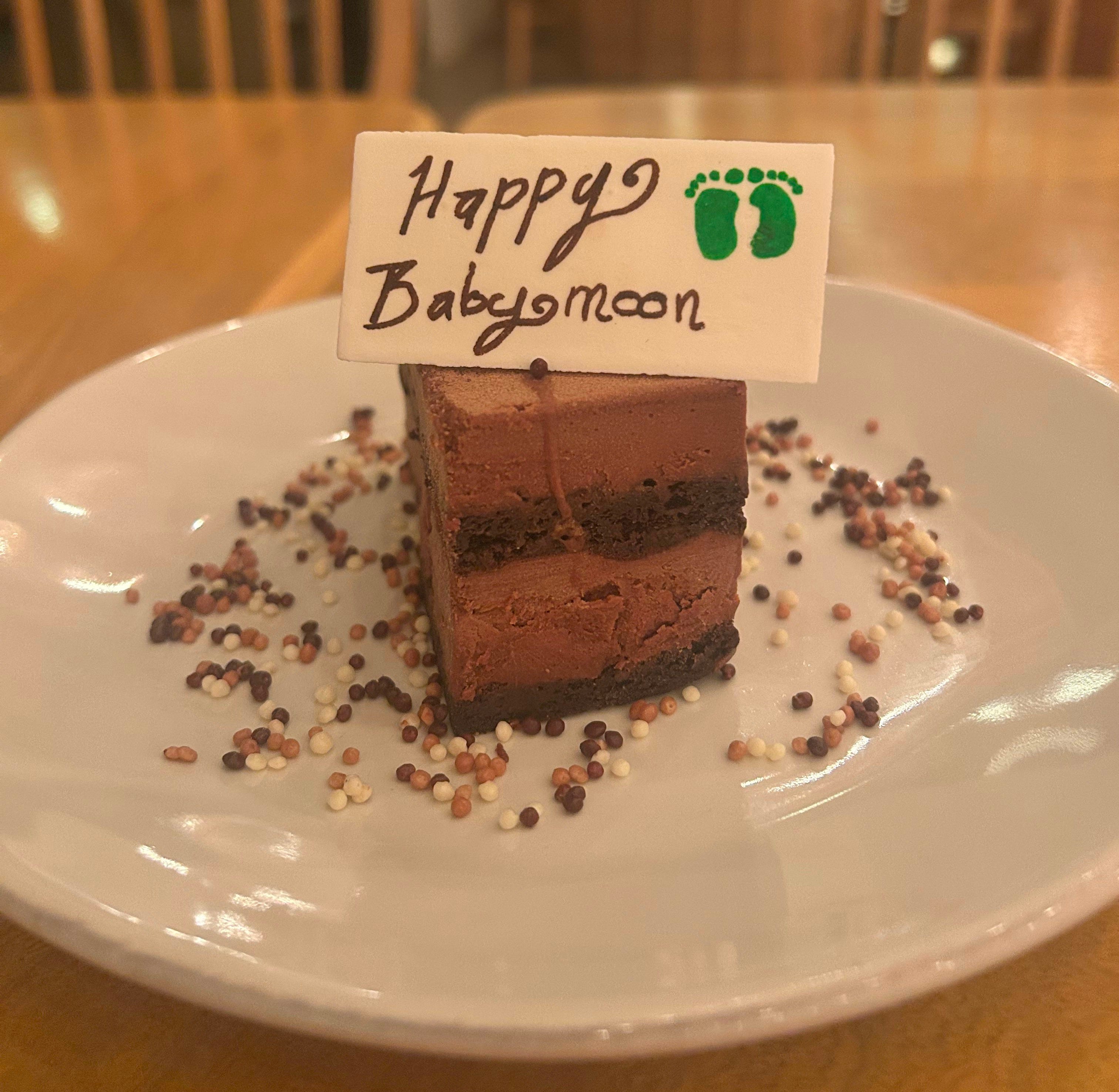
Last week I was fortunate to travel to a really beautiful hotel for my babymoon. Yes, that’s right. If you missed the soft launch, I’m hard launching that I am five months pregnant.
After a smooth flight to the Baja Peninsula and an easy drive to the hotel, my husband and I had some of the most magical 30 minutes we’ve ever experienced in hospitality. I wasn’t fully out of work mode yet, so I was furiously thinking about how the experience made me feel, and about the importance of product onboarding.
I’ve rarely worked on onboarding features. Of course I’ve had to onboard customers, but I’ve never been on a dedicated onboarding team or worked deeply with sales on what it means to integrate the sales and onboarding experience from a product standpoint. In fact, I’ve worked in really big organizations where there’s an entire onboarding team that sits separately from the core experience team.
This experience made me feel silly for not considering how problematic that gap was.
So, let me tell you about the first 30 minutes of our stay.
We pulled up to the hotel in our rental car and were told, “Leave everything here. We’ll take care of the car and bags.” Immediately, we were given cold towels to wipe down in the 85-degree heat after our five-hour flight. From there, we were ushered to the front desk, where our paperwork, with our name, was sitting right in front of us, ready to review. We were offered a drink from an ice cooler: Mexican beer, water, or Pedialyte if you were already suffering from dehydration1. After checking in, we were escorted to a golf cart and driven immediately to have tacos by the pool.
Following lunch, our waiter phoned the front desk, ordered us a golf cart and escorted us to our room, where our bags, snacks and a welcome note were already waiting. On top of the room being delightful in and of itself, of course.
We met no less than six people during this whole excursion. I couldn’t tell you a single name. I couldn’t tell you anyone’s role, or exactly how we got from point A to point B. All I can say is I felt completely coddled, in complete luxury, and urged to unplug immediately in a way I never had before on vacation. And because of that first magical experience, my trust was locked for the week.
There were mishaps2 along our stay: a drink that took too long, a reservation unsecured, a golf cart that never came to pick us up. But no mishap was big enough to upset me, because I kept coming back to that beautiful welcome experience and the way they made me feel the moment I landed on their property.
At Hampton, we take care in placing our founders in intimate Core groups that are hand-picked just for them. I couldn’t help but draw the comparison: what does it take to make someone feel incredibly taken care of, coddled, special, seen, and worth it? It made me think back to all the other products I’ve built, predominantly software experiences, and just how important the first touch points are. It’s where you build trust. It’s where you build a buffer of grace for when things go wrong, as they always will. And it’s where you give your customer the first chance to honestly answer the question: was this worth it?
After the first 30 minutes, before we’d seen the rest of the hotel or spent a single night there, after flying five hours and taking time off work, my husband and I looked at one another and said with absolute certainty: this was 100% worth it.
It’s made me really shift how I think about product onboarding. In the case of what you’re building, it could be the first 5 minutes, or 10.
What are those initial touch points? Where are the moments of delight? Maybe they’re highly custom, maybe they’re highly seamless. Whatever they are, those first minutes are when you solidify a relationship that will be hard to break, if you do it right.
A few things I’m borrowing from the hotel experience and bringing wherever I go when building products in the future:
Customer first and center.
As the customer, put me at the center of everything you’re doing. Consider where I just came from, how much I spent, and the costs I took on to get here. Tell me that you see me, that you know me, that you know exactly what I need. In this case: give me a cold, wet towel for my face after a five-hour flight. When it comes to paying for new software, maybe I’m switching from another provider, and it’s a lot of work to move everything over. Call it like it is. Either tell me it’s hard, or walk me through the parts that are going to be hard, so I don’t feel alone in that journey.
See me, hold my hand and make the first moments using your product glorious. I’ll be all yours from there.
Set the right expectations.
Tell me what I’m going to get, when, and how it’s all going to happen. Then, and this part is important: be correct. This is one of the things I harp on most. People don’t mind waiting, as long as they know what to expect and that that expectation holds. If my room is going to be ready in 20 minutes, it better be ready in 20 minutes. One of my favorite ways to do this in software is a progress bar. Think about ordering on DoorDash. As long as you can see where your driver is, you’re not nearly as upset if it takes longer than quoted. If you have no idea when the food is coming, you sit in purgatory, stewing in hanger and frustration.
People just need to know they’re being taken care of, and that they can trust what they’re being told.
“Yes and” the hell out of your customers.
The customer isn’t always right, but in those first 30 minutes, give them a yes, always. Figure out a way to tell me how to get what I need, and be expansive about it. If I’m told no in the first 30 minutes, or told something incorrect, I’ve lost trust immediately. So tell me yes, and if it’s not a yes, figure out how to get there. If I start using a brand new product and want to do something that isn’t possible, don’t just tell me I can’t. Invite me to explain why it matters. Invite me to talk to someone.
Let me see that what I just bought is expansive and exciting, and that the team is working to serve me, if not now, then in the future.
Here’s the thing:
You don’t need luxury to make someone feel taken care of.
You do need to decide that the first 30 minutes matter more than almost anything else you’ll build. Most teams pour their energy into the middle, the features, the roadmap, and leave the front door as an afterthought. But the front door is where trust is won, and where the grace is secured.
So if you’re a product builder like myself, ask yourself: What does my customer do in the first 30 minutes? Are they an afterthought, or are they the cold towel and the golf cart that chauffeurs me around?
Get those minutes right and your customers will forgive the drink that runs late. Get them wrong and no amount of polish later will undo it.
As someone who always gets sick in Mexico, the Pedialyte felt very custom to me.
Mishaps = inconveniences